
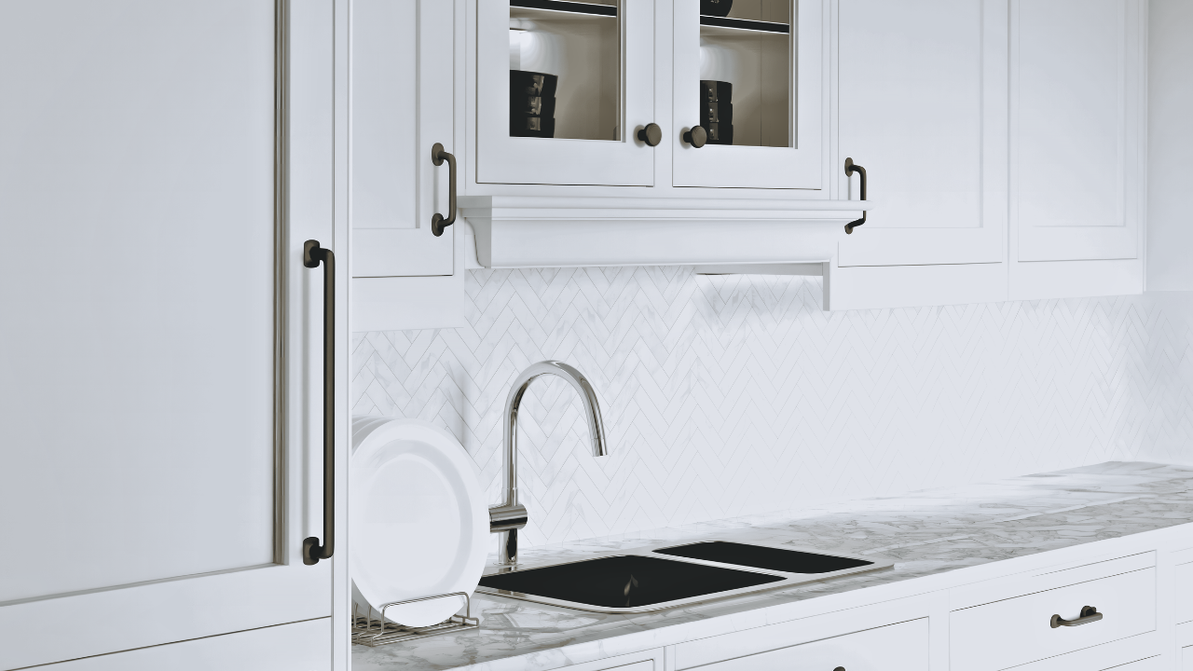
Heritage Brass Hardware: How to Choose Door Handles, Finishes and Matching Details
Heritage Brass hardware is one of those details that can quietly change how finished a room feels. Door handles, cabinet pulls, and matching fittings may be small, but they are used every day and often sit close to other visible details such as switches, sockets, lighting and hinges.
At Arrow Electrical, we recommend choosing hardware as part of the wider room scheme rather than leaving it until the end. A handle should suit the door, feel comfortable to use, and sit naturally with the surrounding finishes. When those choices work together, the room feels more considered without looking overdone.
This guide focuses on Heritage Brass hardware and handles, with door handles and door pulls as the main buying route. It is designed to help you compare formats, finishes and practical checks before choosing pieces for a renovation, whole-home update or room-by-room refresh.
Key takeaways
Before comparing individual products, it helps to understand the main decisions behind Heritage Brass hardware. These are the choices that usually shape a better result.
- Start with the type of hardware you need: door handle, door pull, cabinet handle, latch, hinge or matching accessory.
- Choose the handle format around the door, not just the finish.
- Use finish as a way to coordinate a room, but avoid making every detail look identical.
- Check sizing carefully, especially handle length, backplate size, projection and hinge size.
- Remember that locks and latches may need to be bought separately from door handles.
Quick answer: What Heritage Brass hardware is best for
Heritage Brass hardware is best suited to projects where visible details need to feel coordinated. That might be a single room, a full-home renovation, or a more design-led commercial interior where the handles, cabinet hardware and architectural fittings all need to feel connected.
One of the practical strengths of the Heritage Brass range is the ability to coordinate finishes across door hardware, cabinet fittings, window ironmongery and electrical accessories.
A door handle, cabinet pull and switch plate do not need to match perfectly, but they should feel as though they belong in the same room. Arrow’s wider hardware range makes that easier by bringing door furniture, cabinet hardware, locks, latches, hinges and related details into one place.
Arrow Customer Insight: Arrow’s customer feedback suggests that Heritage Brass door handles and door pulls are among the strongest hardware types, especially for renovations and whole-home matching projects. That makes sense: these are the fittings people see and use every day, so they often become the starting point for the rest of the hardware scheme.
A good starting point is to decide what the fitting needs to do before narrowing the choice by finish and style.
Door handles, knobs, latches and cabinet hardware: where each fits
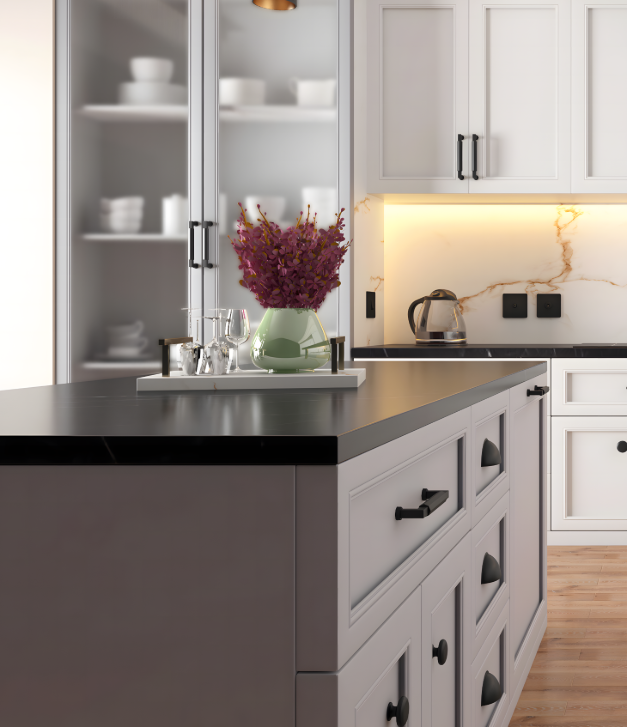
A good hardware scheme usually includes more than one type of fitting. Door handles may be the most visible, but cabinet pulls, latches, hinges and smaller accessories all help create the final effect.
The table below is a useful starting point.
| Hardware type | Best for | What to check |
| Door handles | Internal doors, entrance doors and room-to-room circulation | Door type, latch or lock function, handle format and projection |
| Door pulls | Larger doors, entrance doors, cupboards and statement joinery | Overall length, centre-to-centre measurement, projection and grip |
| Cabinet handles | Kitchens, wardrobes, utility rooms and built-in storage | Hole centres, scale, finish and comfort in daily use |
| Locks and latches | Functional door control and privacy | Compatibility with the chosen handle or knob |
| Hinges and accessories | Completing the detail story | Hinge size, finish coordination and suitability for the door weight and use |
The strongest schemes usually come from consistency rather than repetition. You might use one finish family throughout the home, but vary the fitting depending on whether it is serving a door, drawer, cupboard or bathroom.
Door handles on plate, round rose, or square rose: what’s the difference?
Door-handle format changes how a door reads within a room. A handle on a backplate usually has a more traditional or substantial look, while a handle on a rose often feels cleaner and less visually heavy. Square rose designs tend to feel sharper and more architectural than round rose designs.
The right choice depends on the door and the setting. A period hallway may suit a handle on plate because it gives the door more presence. A modern bedroom or apartment interior may suit a rose handle because the fitting feels quieter. A utility room or external-access door may need a more practical format depending on the locking setup.
| Handle format | Look and feel | Usually suits |
| Handle on plate | More traditional, substantial and visually defined | Hallways, period homes, classic interiors and doors needing lock or bathroom variants |
| Handle on round rose | Softer, simpler and less visually heavy | Bedrooms, living rooms and transitional interiors |
| Handle on square rose | Cleaner, sharper and more architectural | Modern homes, apartments and design-led interiors |
| Multipoint handle | More function-led and usually larger | External doors or doors with multipoint locking systems |
For readers still comparing formats, the door handles category is the best place to start because it separates handles by plate, rose and multipoint styles.
Choosing the right finish for your home
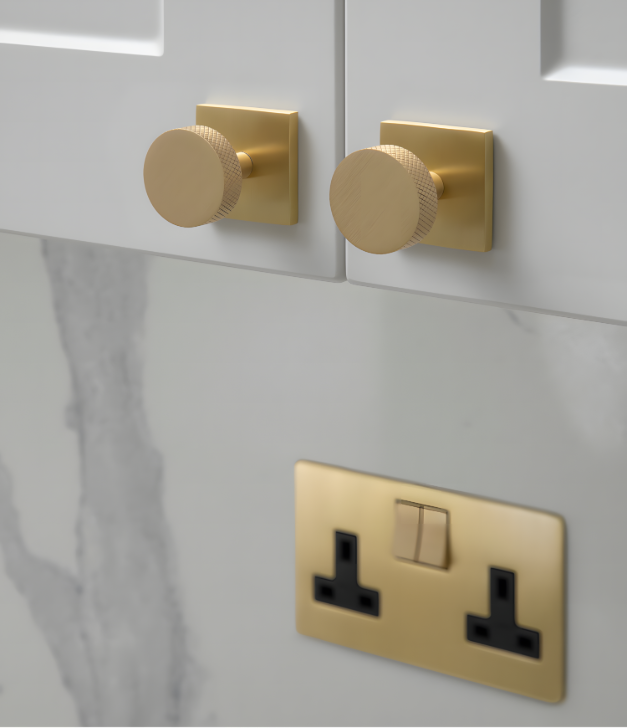
Finish is often the most enjoyable part of choosing hardware, but it still needs to work practically. A finish that looks beautiful on its own may not suit the door colour, wall colour, switch plates, cabinet hardware, or the amount of handling the fitting will get.
Brass and antique brass tend to work well in warmer, more layered interiors. Polished finishes feel brighter and more formal. Satin and brushed finishes usually feel calmer and more forgiving in busy spaces. Darker finishes can look crisp and modern, especially where the room already includes black-framed glazing, dark handles or more architectural details.
| Finish direction | What it tends to do | Useful for |
| Polished brass | Adds warmth and a more traditional brightness | Classic doors, hallways and period-inspired schemes |
| Antique brass | Feels softer, aged and more characterful | Renovations, older homes and layered interiors |
| Satin brass | Warm but more restrained than polished brass | Bedrooms, kitchens and contemporary-classic spaces |
| Polished chrome or nickel | Cleaner and brighter | Bathrooms, modern doors and sharper interiors |
| Matt black or bronze | More graphic and architectural | Contemporary schemes, dark accents and statement details |
Arrow Sales Insight: Arrow’s customer feedback highlights antique brass, polished brass, matt bronze and polished chrome as especially popular Heritage Brass finishes. Those finishes cover a useful spread: antique brass and matt bronze suit warmer, more characterful interiors, while polished brass and polished chrome give a brighter, more defined look.
The safest approach is to choose a finish that relates to something already in the room. That might be a tap, hinge, switch plate, light fitting, cabinet pull or door detail. The finish should look intentional, not isolated.
Matching Heritage Brass hardware without overmatching
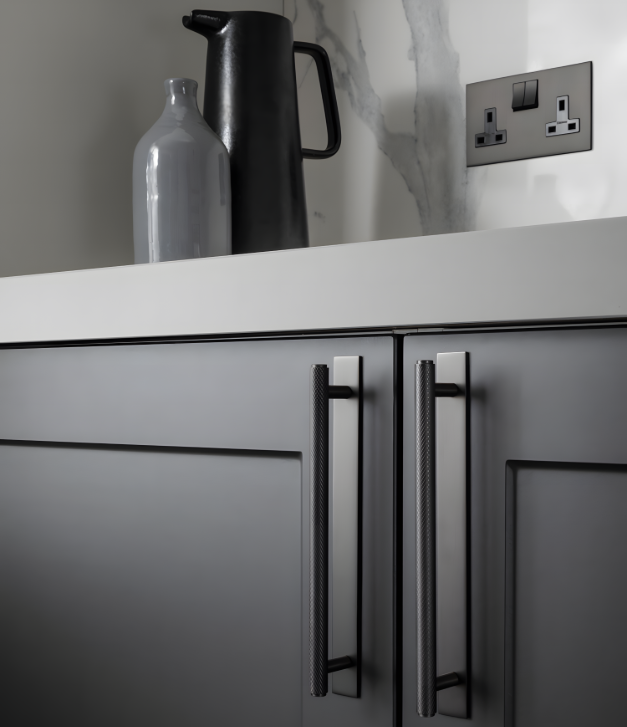
Matching every visible detail exactly can sometimes make a home feel flat. A better approach is to coordinate by finish family, tone and level of formality.
For example, antique brass door handles can sit beautifully with aged brass cabinet pulls or warmer switch plates, even when the pieces are not identical. Satin brass can work across several rooms without feeling too showy. Matt black can create a clean thread through a modern interior, but it may feel heavy if it appears on every single detail without balance.
Think in layers:
- door handles and hinges
- cabinet handles and pulls
- switches, sockets and dimmers
- lighting finishes
- bathroom or kitchen metalwork
The aim is for the details to speak to each other without looking like a showroom set. That is usually what makes Heritage Brass hardware feel premium rather than over-coordinated.
What to check before buying door handles
Before choosing a Heritage Brass door handle, check the practical details as carefully as the finish. Door hardware has to look right, but it also needs to fit the door and work with the correct latch, lock or bathroom mechanism.
The main checks are:
- whether the door needs a latch, lock or bathroom function
- whether a backplate, round rose or square rose suits the door style
- the handle size, projection and how it feels in the hand
- the backplate or rose size in relation to the door
- the hinge size, especially if you are trying to coordinate finishes
- whether the fitting is for an internal or external door
- whether the lock, latch or bathroom mechanism must be ordered separately
Arrow Customer Insight: One of the most common buying issues is assuming every part of the door setup comes together. In practice, locks for door handles may need to be purchased separately, and handle or hinge sizes should be checked before ordering.
This matters even more when replacing existing handles. Existing holes, latch positions and door preparation can limit what will fit neatly without extra work.
Heritage Brass hardware examples worth comparing
Once you understand the function and finish you need, examples make the choice easier. The goal is to compare scale, format and use case rather than choosing the most decorative option first.
For a more traditional route, look at Heritage Brass lever handles on plate, especially where you want a consistent period-style detail across living rooms, bedrooms and hallways.
For a cleaner, modern route, compare rose handles by proportion and visibility. Some designs are intended to disappear into the door, while others create a sharper design detail.
For a broader scheme, compare door handles alongside latches, hinges, cabinet handles, and pull handles. This is where the wider Heritage Brass range becomes useful, because the same finish family can often be carried across several visible touchpoints.
Heritage Brass hardware FAQs
These questions add extra checks that often come up once homeowners start comparing Heritage Brass hardware, finishes and door-handle formats. They are especially useful when replacing existing fittings or trying to coordinate several rooms at once.
Is Heritage Brass hardware only for traditional homes?
No. Heritage Brass includes traditional, transitional and more contemporary designs, so the range is not limited to period properties. The important choice is the combination of shape and finish: a handle on a plate in antique brass may feel more traditional, while a cleaner rose handle in satin brass, nickel or matt black can suit a more modern interior.
Should door handles and cabinet handles match exactly?
Not necessarily. A room often feels more natural when finishes are related rather than identical, especially if door handles, cabinet pulls, switches, and lighting sit at different heights or on different materials. Aim for a shared tone or finish family, then allow small variations where the function or scale of the fitting needs to change.
Are locks and latches included with door handles?
Not always. Some door handles are sold as handle sets only, with locks, latches or bathroom mechanisms ordered separately. This is one of the most common things to check before buying, because the wrong lock or latch can create extra fitting work and may stop the handle sitting or functioning as expected.
Do hinge sizes matter when matching Heritage Brass hardware?
Yes. Hinges need to suit the door’s size, weight and use, so they should not be chosen by finish alone. If you want hinges to coordinate with handles, check the hinge size and suitability first, then narrow by finish.
What is the easiest Heritage Brass finish to live with?
Satin, brushed and antique-style finishes tend to be more forgiving than highly polished finishes in busy areas. Highly polished finishes can look beautiful, but they usually show fingerprints and handling marks more readily. When the handle will be used constantly, it is worth choosing a finish that suits both the room style and the level of daily contact.
What should I check when replacing existing handles?
Check the existing latch position, backplate size, screw positions and whether the new handle will cover any old fixing marks. Moving from a long backplate to a rose handle, or from one backplate size to another, can mean the door needs filling, touching up or extra preparation. Measuring first avoids choosing a handle that looks right online but creates visible problems once fitted.
Can I mix Heritage Brass hardware with existing switches, sockets or lighting?
Yes, but it works best when the finishes feel intentional together. You do not need every metal detail to match exactly, but you should avoid accidental clashes, such as a very warm brass handle beside a cool chrome switch plate, unless the room already mixes metals deliberately. A good test is whether the finishes share a similar warmth, level of shine or design style.
Choose Heritage Brass hardware as part of the whole room
Heritage Brass hardware works best when it is chosen with the door, room and surrounding finishes in mind. A handle that looks right in isolation still needs to suit the way the door is used and the other details nearby.
Start with the type of fitting you need, then narrow the choice by function, format, finish and proportion. Once those decisions are clear, Heritage Brass door handles and matching hardware become much easier to choose with confidence.
Recent Posts
-
What Bulbs Do Chandeliers Use? E14, Lumens, Colour Temperature and Dimming Explained
Choosing a chandelier is only part of the decision. The bulbs still need to fit properly, provide t …3rd Oct 2026 -
Rocker, Intermediate, Fan Isolator and Cooker Switches Explained: What Does Each One Do?
Electrical switches can look very similar on the wall while doing very different jobs. Much of the …22nd Sep 2026 -
How Many Downlights Do You Need? Plan the Layout Before You Install
Downlights are often arranged on a ceiling before anyone has asked the most important question: what …10th Sep 2026