
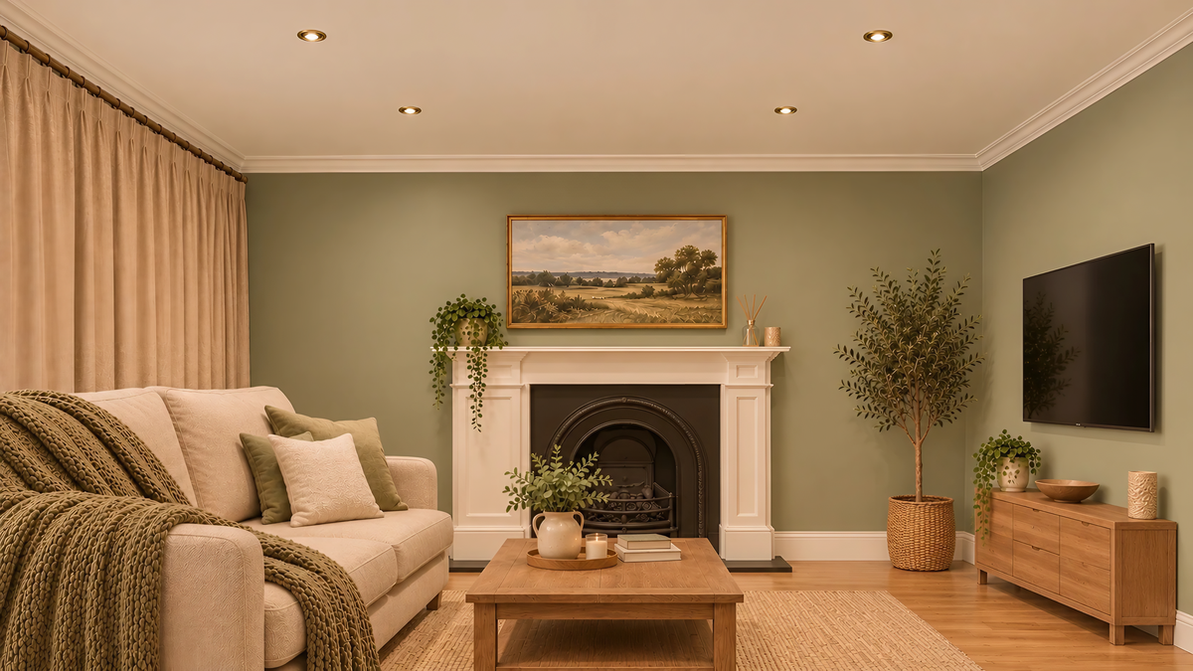
Antique Brass Downlights: Where They Work and How to Choose the Right Finish
A recessed downlight may be small, but its finish can make a noticeable difference when you install several across a ceiling. Antique Brass adds a warmer metallic detail, while White offers a more understated appearance.
Both have their place, and the choice isn’t always about whether a home is traditional or contemporary.
Antique Brass is a popular option among Arrow Electrical’s customers, but getting the look right involves more than choosing a colour from a product photograph. The fitting, whether one of our mini downlights or a larger GU10 model, still needs to deliver suitable light and work with the ceiling and installation.
Key Points
- Antique Brass is one of Arrow Electrical’s leading downlight finishes. First-hand customer experience consistently places it among the top choices, with demand remaining strong over time.
- Different buyers have different preferences. Contractors generally favour White, while homeowners and interior designers are more likely to consider decorative alternatives, including Antique Brass.
- Ceiling colour is a major consideration. Customer feedback indicates that downlight finishes are usually selected to suit the ceiling and overall interior rather than precisely match switches, sockets or door furniture.
- Residential applications dominate. Bedrooms, living rooms, hallways and kitchens are common locations, with growing customer interest in compact recessed lighting for bathroom and toilet niches.
- The finish doesn’t determine lighting performance. Colour temperature, brightness and beam spread depend on the light source and fitting specifications.
- Similar-looking products may need different ceiling openings. Fixed and adjustable 4W mini downlights can share the same stated output and beam angle while requiring different cut-outs.
Why choose Antique Brass instead of White downlights?
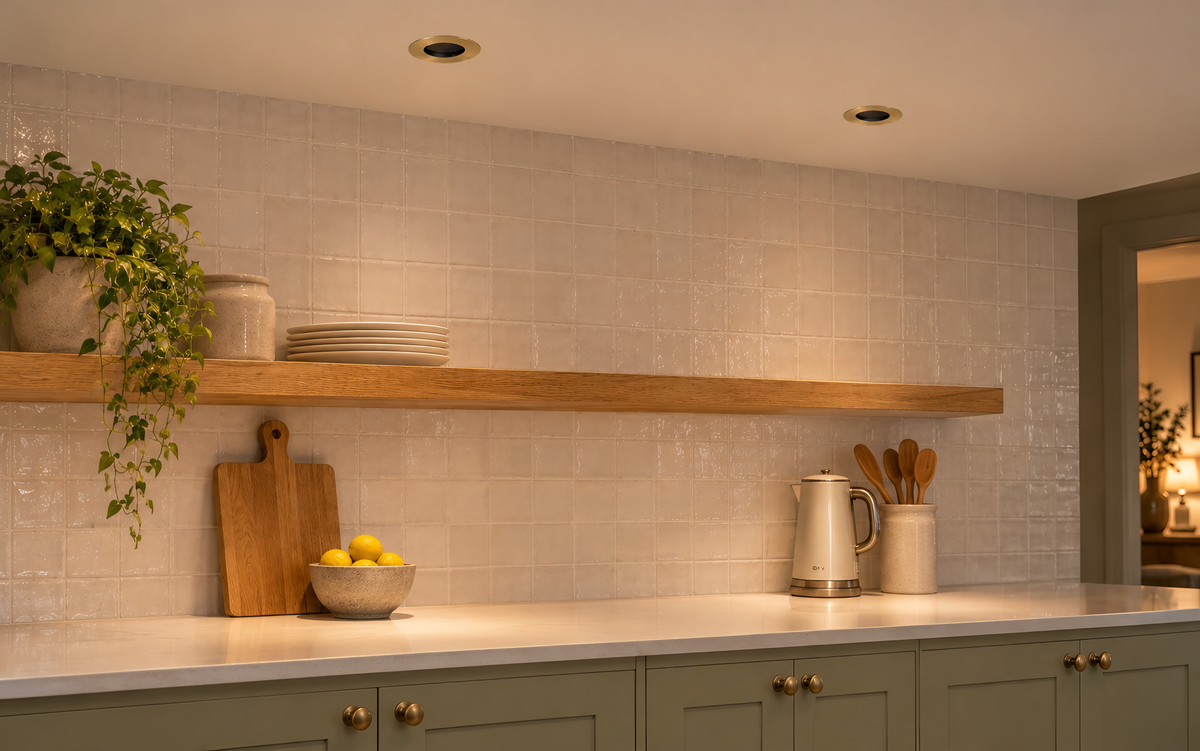
The main difference is how the fittings contribute to the ceiling’s appearance.
White downlights can blend into a pale ceiling, while Antique Brass creates a visible contrast. The effect depends on the ceiling colour, the size of the bezel and how many fittings are installed.
Customer feedback from Arrow Electrical reveals a distinction between buyer types. Contractors generally prefer White, while homeowners and designers are more inclined to consider decorative finishes, with Antique Brass among the options they frequently choose.
The company’s customer-facing experience also indicates that demand for Antique Brass has remained consistently strong over time, and our brass downlights collection includes a range of designs in this finish.
Consider how the fittings look together
It’s tempting to select a downlight because its finish matches a cabinet handle or switch plate. Those details can contribute to the overall design, but they aren’t necessarily the best starting point.
When choosing downlights, customers tend to prioritise ceiling colour and the overall appearance of the room. Matching nearby hardware is generally less important.
The number of fittings can make a considerable difference.
A single Antique Brass downlight might look subtle in a sample photograph. Eight across a white kitchen ceiling will create a more obvious pattern. Consider the fittings as a group, ideally against the actual ceiling finish, before deciding whether you want that contrast.
Where do Antique Brass downlights work best?
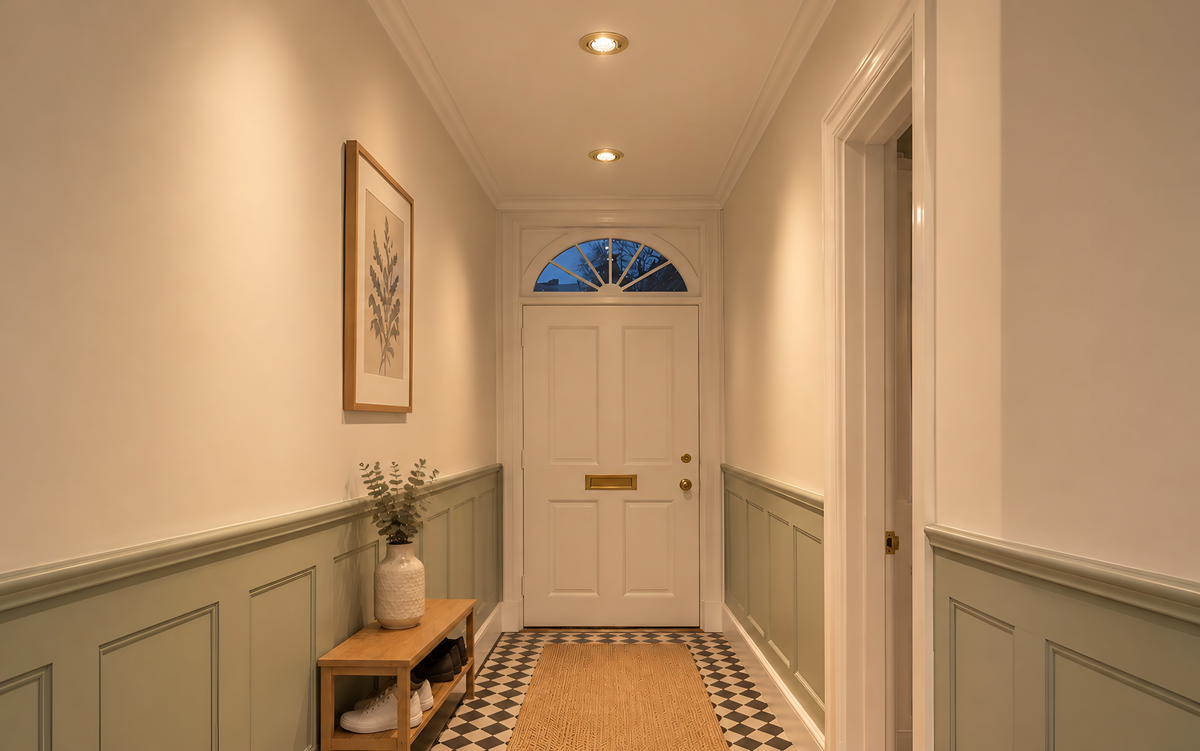
Bedrooms, living rooms, hallways and kitchens are among the most common residential applications identified through Arrow Electrical’s customer experience. Each space has different lighting needs, but Antique Brass can work in both traditional and contemporary interiors.
Living rooms and bedrooms
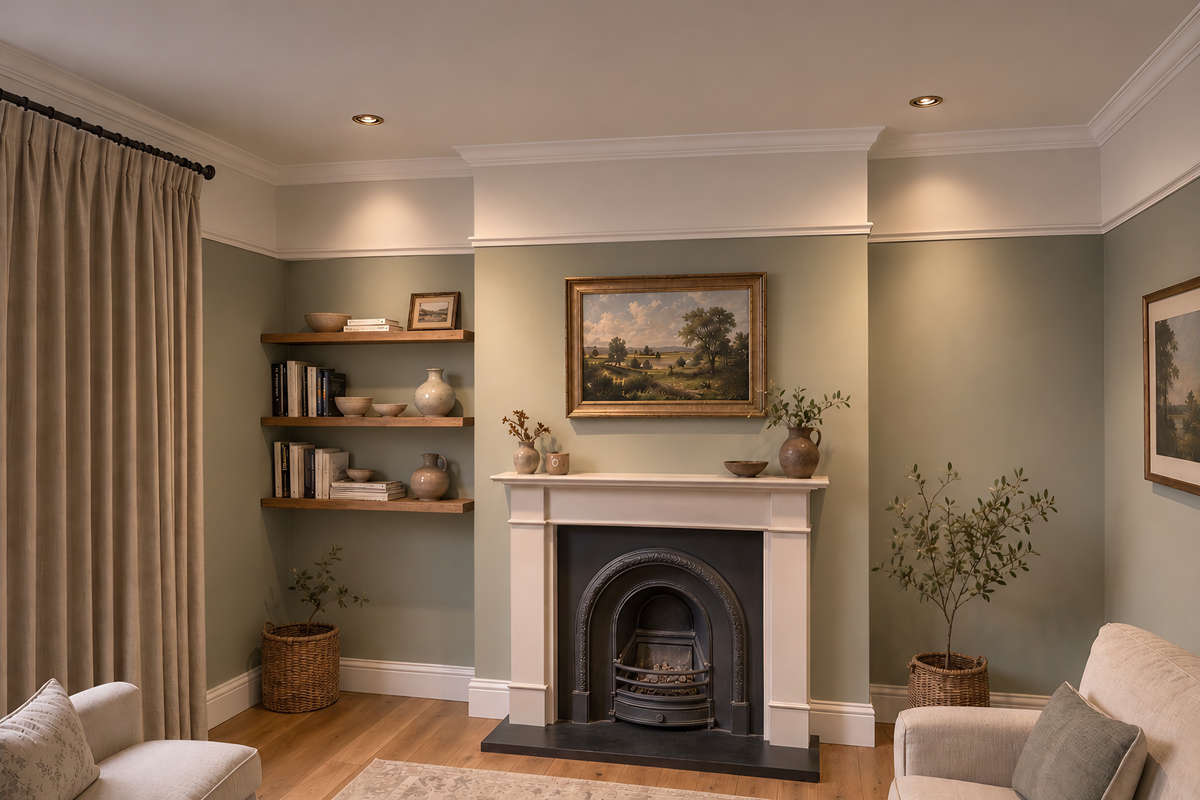
In living rooms and bedrooms, Antique Brass can complement warmer paint colours, timber furniture and traditional decorative details. The finish may be particularly effective in a room where standard White fittings would feel visually disconnected from the surrounding materials.
However, the lighting arrangement is just as important.
A living room may combine downlights with floor lamps, wall lights and table lamps. A bedroom might benefit from softer, dimmable illumination rather than relying entirely on recessed ceiling lights.
The finish contributes to the appearance, while the lighting scheme determines how comfortable the room feels.
Hallways and kitchens
Hallways often contain less furniture, making ceiling lighting a relatively prominent feature.
An Antique Brass trim can introduce a decorative detail without requiring a pendant or other large fitting, provided the proportions suit the space.
Kitchens present different considerations.
Worktop lighting, general illumination and decorative lighting may all be needed. A compact brass downlight can sit comfortably within a modern kitchen, but its beam angle and position must still suit the task.
For example, a fixed fitting may provide adequate general light, while an adjustable model could help direct illumination towards a particular feature or working area. The appropriate lighting function matters more than whether the kitchen itself is modern or traditional.
Bathroom and toilet niches
One application attracting growing interest among Arrow Electrical’s customers is compact recessed lighting within bathroom and toilet niches. A small light can draw attention to a recessed shelf, textured surface or decorative feature without requiring a large visible fitting.
Antique Brass can add another detail to the design, particularly where the surrounding materials are relatively simple.
However, this application requires care.
A fitting designed for ceiling installation isn’t automatically suitable for a wall niche or shower recess. Its permitted mounting orientation, moisture protection and required installation space must all be confirmed. The growing interest identifies a useful design application, not approval for a particular product or installation method.
Antique Brass vs Polished Brass and Matt White
Antique Brass, Polished Brass and Matt White are the finishes customers most frequently compare when considering decorative downlights, according to Arrow Electrical’s customer feedback.
These finishes create quite different visual effects.
| Finish | Typical appearance | When to consider it |
| Antique Brass | Muted, aged metallic finish | When a warmer, more characterful detail suits the interior |
| Polished Brass | Brighter, more reflective metal finish | When the decorative trim is intended to be more noticeable |
| Matt White | Subtle against many pale ceilings | When the lighting should remain visually discreet |
Polished Chrome is occasionally considered too, although it comes up much less frequently in customer comparisons.
The exact appearance of Antique Brass varies between manufacturers. One finish might be darker and more textured, while another has a softer golden tone.
Product photographs can make those differences difficult to judge. If you’re selecting fittings for a whole room, comparing a physical sample with the surrounding materials is preferable where possible.
Does Antique Brass affect the colour of the light?
No. An Antique Brass trim doesn’t determine the colour temperature of the illumination. That depends on the lamp or integrated LED within the fitting, and the room’s purpose should guide the choice. Our complete UK guide to downlights explains colour temperature in more detail.
For example, Arrow’s fixed 4W mini LED downlight is offered in Antique Brass with a 3000K colour temperature, 200-lumen output and 60° beam. Those specifications, rather than the trim colour, describe the illumination it provides.
Fixed, adjustable or GU10: which Antique Brass downlight should you choose?
After deciding on the finish, the next step is choosing a suitable fitting.
Arrow currently lists Antique Brass options in fixed and adjustable integrated LED downlights, alongside GU10 models that use a separately selected lamp. The product format affects light direction, lamp choice, dimensions and installation requirements.
Comparing three Antique Brass options
| Specification | Fixed 4W Mini LED | Adjustable 4W Mini LED | Fixed IP65 GU10 |
| Light source | Integrated LED | Integrated LED | Separate GU10 lamp |
| Output | 200 lumens | 200 lumens | Depends on lamp |
| Colour temperature | 3000K | 3000K | Depends on lamp |
| Beam angle | 60° | 60° | Depends on lamp |
| IP rating | IP44 | IP44 | IP65 |
| Ceiling cut-out | 38mm | 48mm | 90mm |
| Visible diameter | 46mm | 59mm | 108mm |
The two mini downlights illustrate why it’s important to check more than the colour and wattage.
Both produce the same stated light output and beam spread. However, the adjustable version requires a larger ceiling opening and has a larger visible diameter. That could affect your choice when replacing existing fittings or planning a ceiling with particularly compact downlights.
When is an adjustable fitting useful?
An adjustable downlight lets you aim the beam towards artwork, shelving or an area that isn’t directly beneath the ceiling position. It directs the light rather than making the fitting brighter, so a fixed fitting is often enough for general illumination.
When might a GU10 fitting be preferable?
Arrow’s fixed IP65 GU10 downlight is available with an Antique Brass finish and has a 90mm ceiling cut-out.
It’s larger than the mini LED examples and uses a separately selected GU10 lamp, which may suit an installation where replaceable lamps are preferred.
Can Antique Brass downlights be used in bathrooms?
Yes, provided the specific fitting meets the requirements of the intended location.
The decorative finish doesn’t determine moisture protection, so check the IP rating, mounting orientation and manufacturer’s instructions for the proposed position.
A competent electrician should confirm suitability before the fitting is installed.
What should you check before ordering Antique Brass downlights?
Before ordering, work through the details that affect both the appearance and performance of the installation.
- Consider the full ceiling. Assess the colour, number and spacing of fittings to judge how prominent the Antique Brass trim will be.
- Compare the actual finish. Antique Brass varies between manufacturers. A sample can be particularly useful when coordinating several fittings.
- Choose the lighting function. Decide whether each position requires fixed general illumination, directional control or the flexibility of a compatible GU10 lamp.
- Check the light specifications. Compare lumens, beam angle and colour temperature with the intended use of the room.
- Confirm the dimensions. Check the cut-out, visible bezel, recessed depth and space needed for drivers or other connections.
- Verify installation suitability. IP rating, fire performance, insulation clearances, permitted mounting orientation and the manufacturer’s instructions must suit the proposed location. Check dimming compatibility where required.
A competent electrician can confirm whether the selected fittings are suitable before you commit to replacements or alterations.
Antique Brass downlights FAQs
A few final questions can help when comparing finishes or replacing existing downlights.
Do Antique Brass downlights need to match switches and sockets?
No. Ceiling colour and the overall design are generally more useful starting points than trying to match every visible fitting. Coordinating finishes can still contribute to a consistent interior, but an exact match isn’t necessary.
Can I replace White downlights with Antique Brass fittings?
Often, provided the replacement suits the existing ceiling opening and electrical installation. Check cut-out size, visible diameter, fitting depth, IP rating and any required fire performance. Replacement trims may be available for certain ranges, but they aren’t universally interchangeable.
Are Antique Brass downlights made from solid brass?
Not necessarily. Antique Brass can describe the appearance of a finish rather than the material beneath it. Check the manufacturer’s product specifications if the construction material is important to your decision.
Can a GU10 downlight also be adjustable?
Yes. GU10 describes the lamp format, while fixed and adjustable describe the direction of the fitting. Both types exist, although the GU10 example compared in this article is a fixed model.
Choosing the right finish and fitting
Antique Brass can add character to a ceiling without overwhelming the room. Whether it works best depends on the interior and how noticeable you want the fittings to be.
Choose a finish you’re happy to see repeated across the ceiling, then select the fitting that provides the right light and suits the installation.
Recent Posts
-
Antique Brass Downlights: Where They Work and How to Choose the Right Finish
A recessed downlight may be small, but its finish can make a noticeable difference when you install …13th Nov 2026 -
Screwless & Flat Plate Switches: What to Check Before You Choose
A new switch plate can look perfect in a photograph but turn out to be wrong for the wall it’s goin …31st Oct 2026 -
Alabaster Lighting: A Guide to Styling Alabaster Lights in UK Homes
Alabaster is a fine-grained, mineral-based natural stone prized for centuries in sculpture and arch …12th Oct 2026