
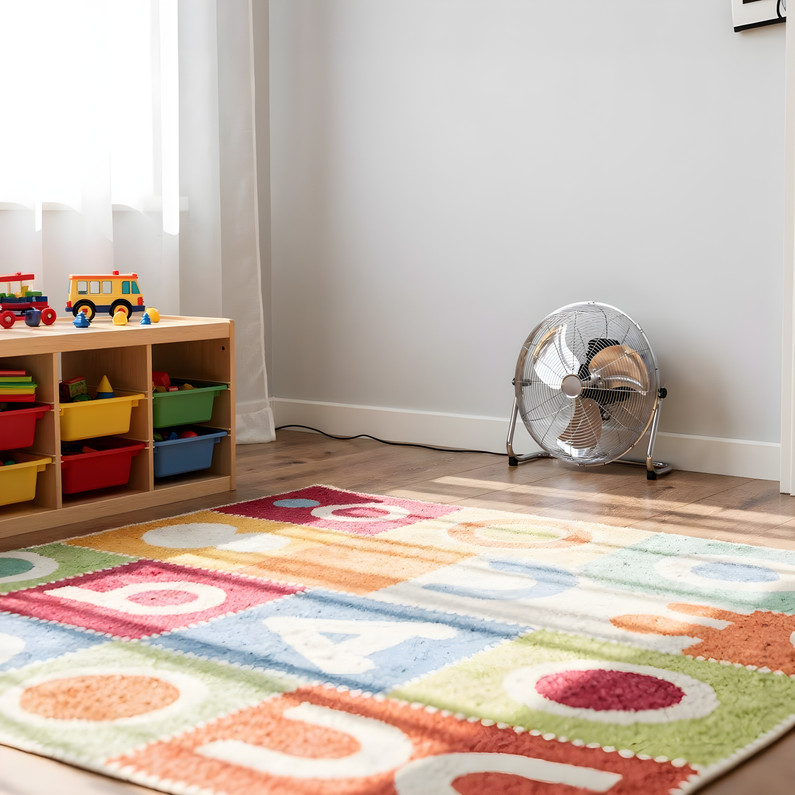
How to Match the Right Fan to Your Room, Home, Workspace or Hotel Setting
When the weather gets warmer, the right fan can make a room much more comfortable. The best option is not always the largest model available. It depends on where the fan will be used, how far the air needs to reach, and whether you want close-up comfort or stronger air movement across a larger area.
At Arrow Electricals, we recommend starting with the room first. A compact desk fan may be ideal beside a laptop or bed, while a pedestal floor standing fan is better suited to bedrooms, lounges and shared spaces. For fixed areas, a wall mounted fan with remote control can save floor space, while floor fans are usually better for garages, workshops, gyms and busier working environments.
This guide explains how to make a room feel cooler with the right type of fan, including desk fans, table fans, pedestal fans, wall mounted fans with remote controls, oscillating fans and floor fans.
Quick answer: which fan should you choose?
The best fan for home UK use depends on the room, not just the fan size. A small, personal fan works well when one person needs cooling nearby. Larger or shared rooms usually need wider coverage, oscillation or a stronger floor-standing option.
If you are looking at how to cool a room with a fan, the aim is usually to improve air movement and comfort rather than lower the room temperature.
| Fan type | Best suited to | Why it works |
| Desk fan | Desks, bedside tables, small offices and close-up use | Compact, easy to position and useful for personal cooling |
| Table fan | Small rooms, counters, reception desks and home offices | Covers more area than a small desk fan while staying portable |
| Pedestal fan | Bedrooms, living rooms, dining rooms and shared spaces | Adjustable height and oscillation help move air across the room |
| Wall mounted fan with remote | Fixed spaces, offices, staff rooms and hospitality areas | Keeps the fan off the floor and makes control easier |
| Floor fan | Garages, workshops, gyms and stockrooms | Moves more air in larger or more practical spaces |
| Industrial pedestal fan | Commercial, hospitality and busier working areas | Adds extra reach and power for demanding areas |
What to check before choosing a fan
Start with the size and use of the space. A fan that works well beside a bed may not be the right choice for a warm reception area, workshop or open-plan room.
Then think about placement. Desk and table fans need a suitable surface. Pedestal fans need floor space, but they are easier to position across a room. Wall fans need a fixed installation point, while floor fans need enough clearance to move air properly. Speed settings, oscillation and tilt also matter, because they affect how easily you can control and direct the air.
Desk fans: best for close-up cooling

A desk fan is usually the simplest choice when one person needs a fan close by. It works well beside a computer, on a bedside table, on a counter or in a small home office.
For smaller areas, our 9 Inch 2-Speed Oscillating Adjustable Pedestal Desk Fan is a good example. It is compact, easy to place and designed for close-range use, with two speed settings and oscillation for added flexibility.
Table fans: best for small rooms and flexible use
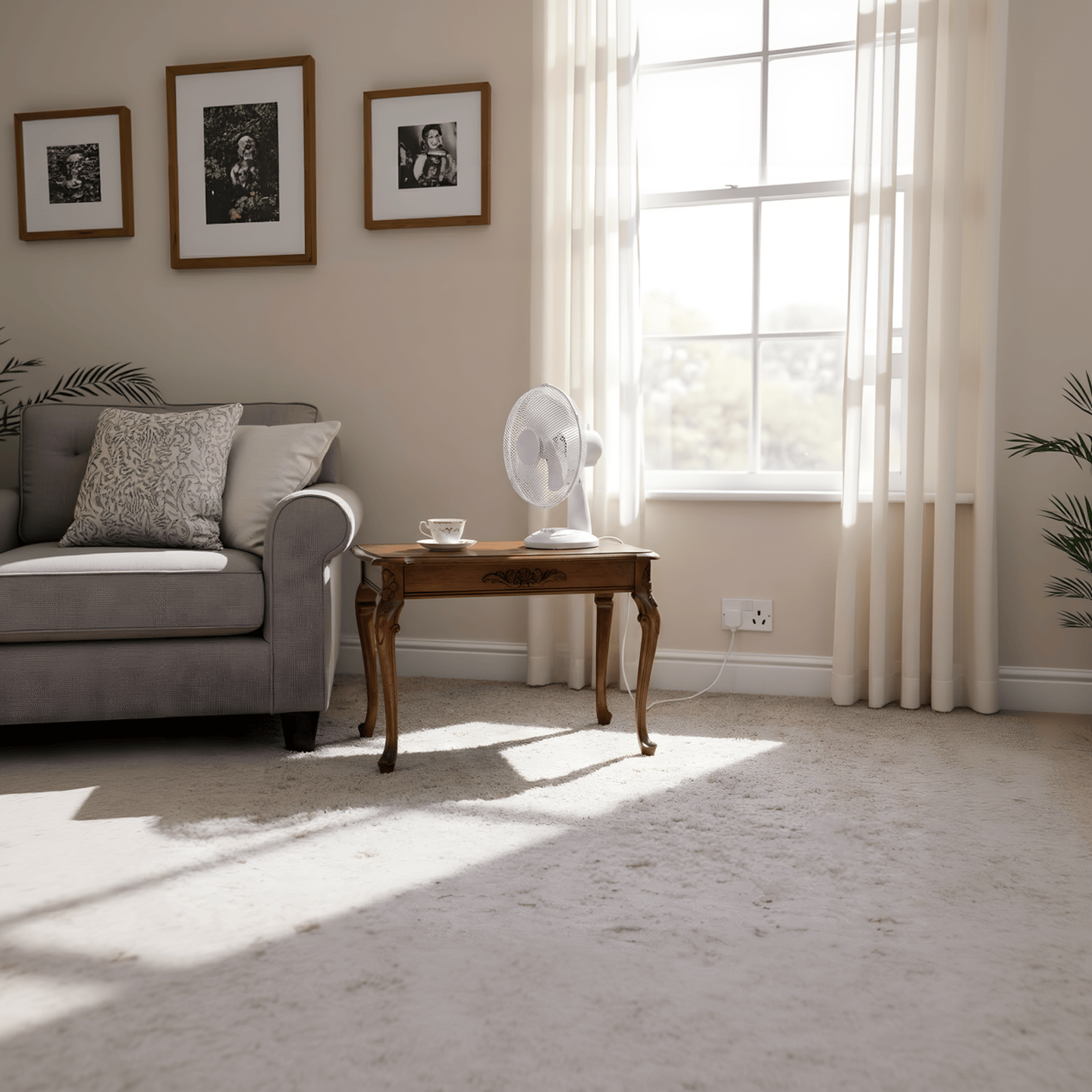
A table fan is a practical step up from a smaller desk fan. It still sits on a surface, but a larger blade size can work better in small rooms, offices, reception areas, staff rooms and bedrooms.
For smaller rooms or work areas, a 12 Inch 3-Speed Oscillating Adjustable Pedestal Table Desk Fan provides a good balance of size and portability. For wider coverage, the 16 Inch 3-Speed Oscillating Adjustable Pedestal Table Desk Fan may be a better fit, especially where more than one person is using the space.
Pedestal floor standing fans: best for bedrooms and living rooms

A pedestal floor standing fan is often the most suitable choice when air needs to reach across a room. It does not need a desk or table, and the height can usually be adjusted to suit the space.
An oscillating fan helps here because it moves from side to side instead of sending air in one narrow direction. For stronger pedestal-style performance, this 18 Inch Industrial Floor Standing Pedestal Fan is better suited to larger or busier working spaces where a standard table fan may not have enough reach.
Wall mounted fans with remote: best when floor space matters
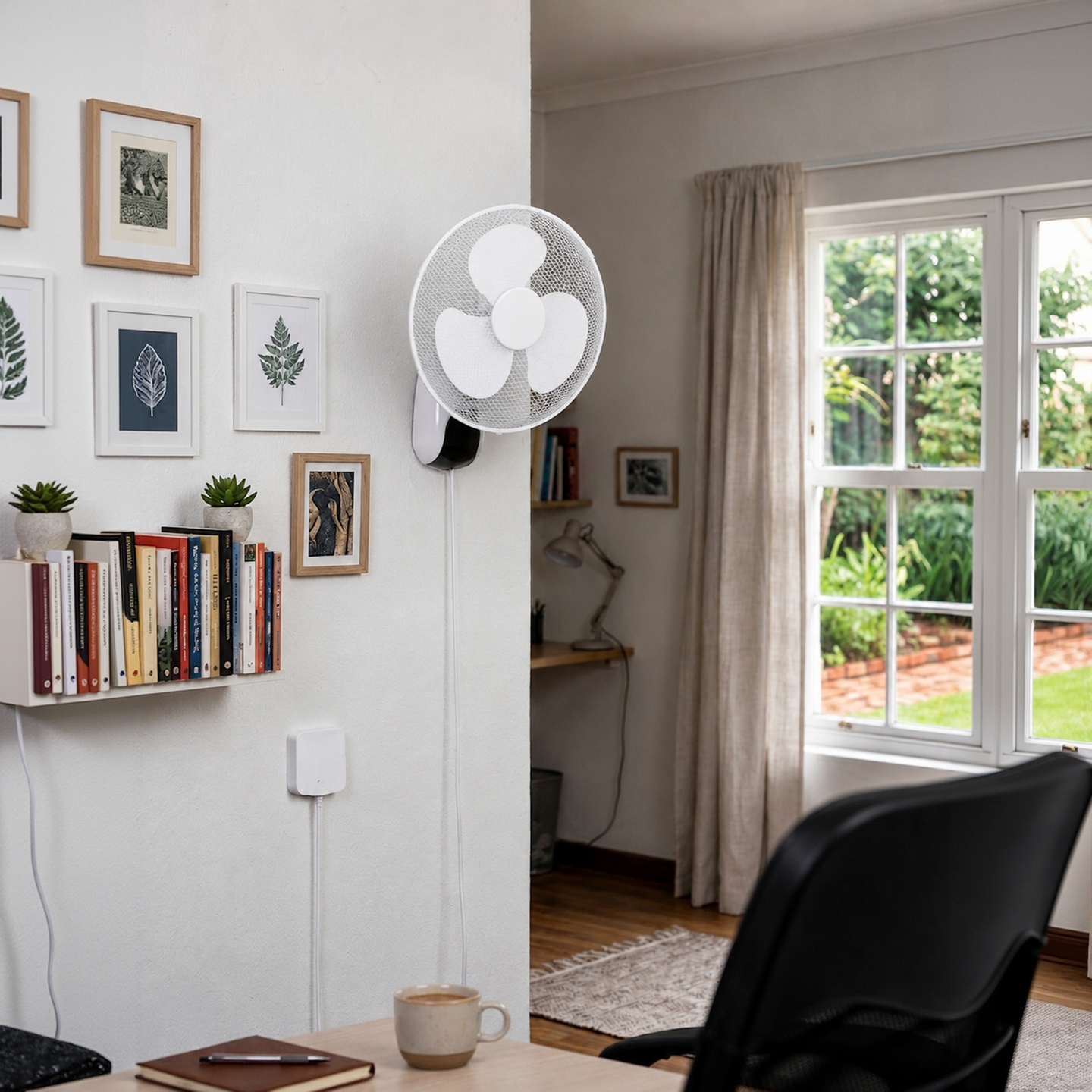
A wall mounted fan with a remote control is useful when the same area needs cooling regularly. It keeps the floor clear, avoids taking up desk or counter space, and can be positioned to cover a specific area.
This 16 Inch Wall Mounted Remote Controlled 3 Speed Oscillating Fan is a strong fit for this type of setting. It has three speed settings, oscillation, a tiltable head, an IR remote control and a timer, making it easier to control without moving the fan around.
Floor fans: best for workshops, gyms and larger working areas
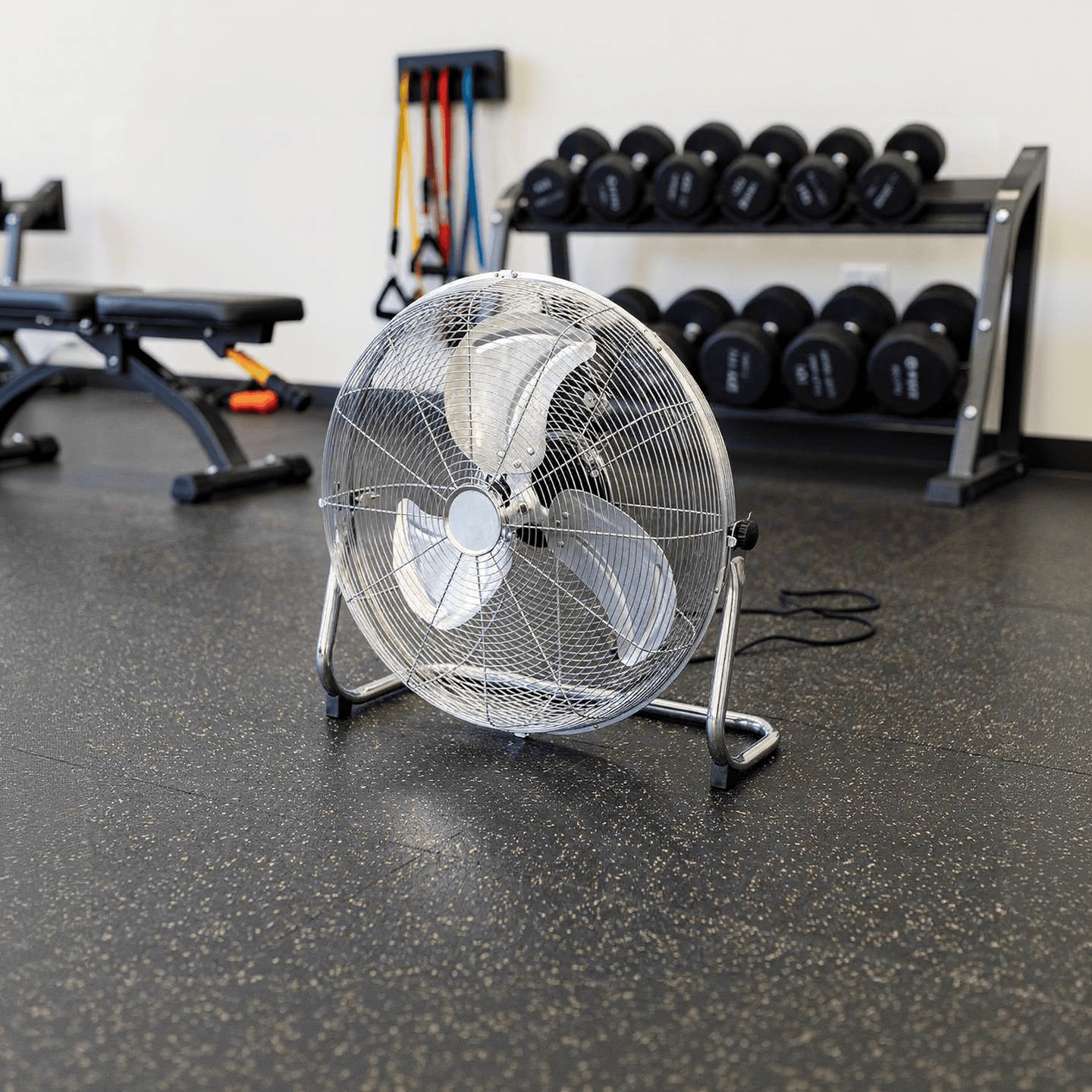
A floor fan is built to move more air. It sits low and can usually be angled towards the part of the room or workspace that needs the most air movement.
Our 18 Inch High Velocity Floor Fan is a good example of a floor fan for stronger air movement, with a tilt-adjustable design that helps direct air where it is needed. For more demanding spaces, the 20 Inch 160w Heavy Duty 3-Speed Floor Fan provides a larger, heavy-duty option.
How to choose a fan by room
The right fan should fit the way the room is actually used. A bedroom, home office, reception area and workshop all need different types of air movement.
| Room or setting | Fan type to consider | Practical reason |
| Bedroom | Table fan or pedestal fan | Useful comfort without needing a fixed installation |
| Home office | Desk fan or table fan | Close-up comfort while working |
| Living room | Pedestal floor standing fan | Better reach across seating areas |
| Reception area | Table fan or wall mounted fan with remote | Keeps staff or visitors comfortable without using too much floor space |
| Hotel room | Table fan or pedestal fan | Portable, simple and easy to position |
| Staff room or kitchen area | Wall mounted fan with remote | Saves floor space and can serve a fixed area |
| Garage or workshop | Floor fan or industrial pedestal fan | Stronger air movement for practical working spaces |
| Gym or stockroom | Floor fan | More direct air movement across a larger area |
Choosing fans for hotels, hospitality and trade use
In hospitality and trade settings, fan choice is rarely about one room alone. Table fans and pedestal fans are usually easy to position in guest rooms, wall mounted fans can help keep reception or staff areas clear, and floor fans or industrial pedestal fans are usually the better fit for workshops, stockrooms and larger working spaces.
Common mistakes when buying a fan
The first mistake is choosing by size alone. A larger fan may move more air, but it still needs to suit the room. A heavy-duty floor fan may be too much for a small bedroom, while a compact desk fan may not be enough for a warm lounge.
The second mistake is ignoring placement. Even a good oscillating fan will do less if it is blocked by furniture or aimed away from the people using the space. The third is overlooking comfort: a higher setting can help during the day, but a gentler speed may be better in a bedroom, office or reception area.
Common Questions Before Choosing a Fan
These questions cover the practical points customers often need to check before deciding which fan is right for their room.
What is the best fan for home use in the UK?
The best fan for home UK use depends on where it will be used. A desk fan is useful for close-up personal cooling, a table fan suits small rooms, a pedestal fan works well in bedrooms and living rooms, and a floor fan is better for larger rooms or more powerful air movement.
Is a desk fan or table fan better?
A desk fan is usually better for close personal use, such as working at a computer or sleeping beside a bedside table. A table fan is better when you want wider coverage in a small room or shared space.
What is a pedestal floor standing fan best for?
A pedestal floor standing fan is best for rooms where air needs to travel further, such as bedrooms, lounges, dining areas and shared workspaces. Its height and oscillation help spread air across a wider area.
When should you choose a wall mounted fan with remote?
Choose a wall mounted fan with remote when the fan will be used in the same place regularly and you want to keep the floor clear. It is useful in offices, hospitality spaces, kitchens, stockrooms and other fixed-use areas.
Does an oscillating fan cool a room?
An oscillating fan does not lower the room temperature in the same way as air conditioning. It moves air around the space, which can make people feel cooler. Oscillation helps spread that air rather than keeping it in one fixed direction.
Choose the fan around the space, not just the size
The best fan is the one that suits the room, the people using it and how much air movement is needed.
For personal cooling, start with a desk fan or table fan. For bedrooms and living rooms, a pedestal fan is often the most flexible choice. For fixed areas where floor space matters, a wall mounted fan with remote control can be more practical. For garages, workshops, gyms and larger spaces, a floor fan or industrial pedestal fan is usually better suited.
The simplest rule is to match the fan to the space. Choose close-up comfort for small areas, adjustable air movement for shared rooms, and stronger performance for larger or busier working spaces. If you want to compare options, explore our fans range to choose the size and style that best fits your room.
Recent Posts
-

What Bulbs Do Chandeliers Use? E14, Lumens, Colour Temperature and Dimming Explained
Choosing a chandelier is only part of the decision. The bulbs still need to fit properly, provide t …3rd Oct 2026 -
Rocker, Intermediate, Fan Isolator and Cooker Switches Explained: What Does Each One Do?
Electrical switches can look very similar on the wall while doing very different jobs. Much of the …22nd Sep 2026 -

How Many Downlights Do You Need? Plan the Layout Before You Install
Downlights are often arranged on a ceiling before anyone has asked the most important question: what …10th Sep 2026