
The Quiet Revolution in Ceilings: A New Way to Think About Downlighting
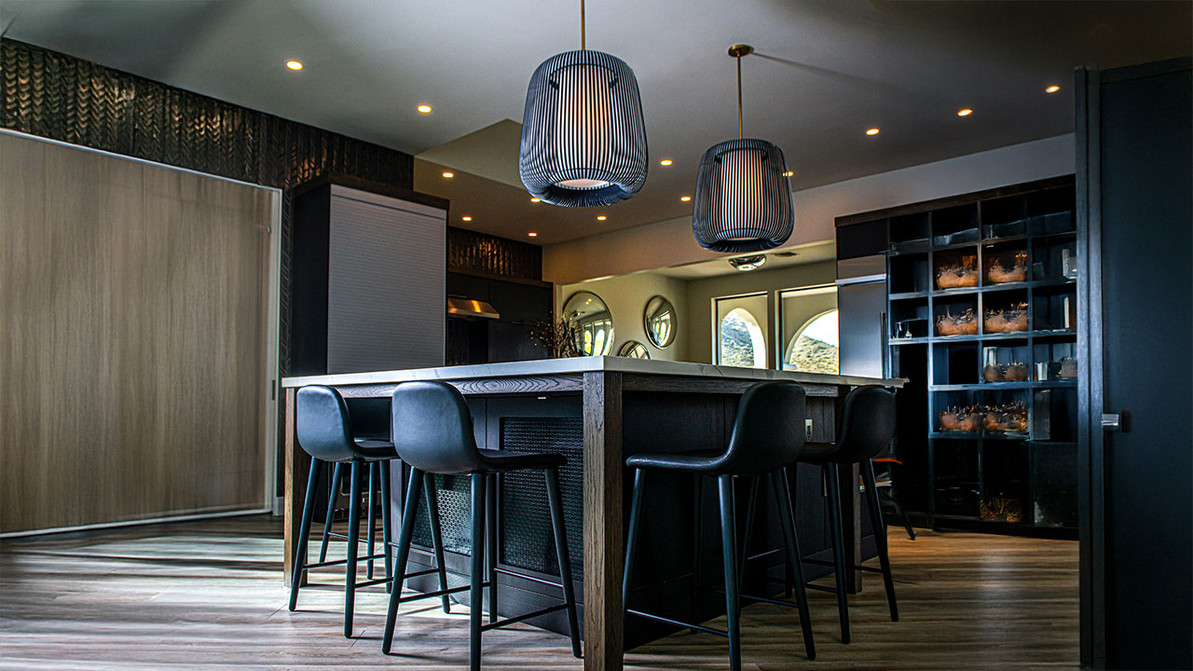
There’s a soft shift happening above us. Not in the architecture of walls or floors, but in the often-overlooked realm of ceilings, where light meets space and design truly takes flight. Just as interiors have embraced pared-back palettes, tactile materials, and effortless detail, downlights are evolving too. Gone are the days of glaring arrays and clinical grids. Today’s architects and interior designers are embracing downlights and trimless integration, subtle lighting solutions that feel intentional, refined, and beautifully quiet.
This trend isn’t just about illumination; it’s about elevating spatial experience and crafting atmospheres that resonate with calmness, depth, and thoughtful design.
The New Minimalism: Light That Disappears
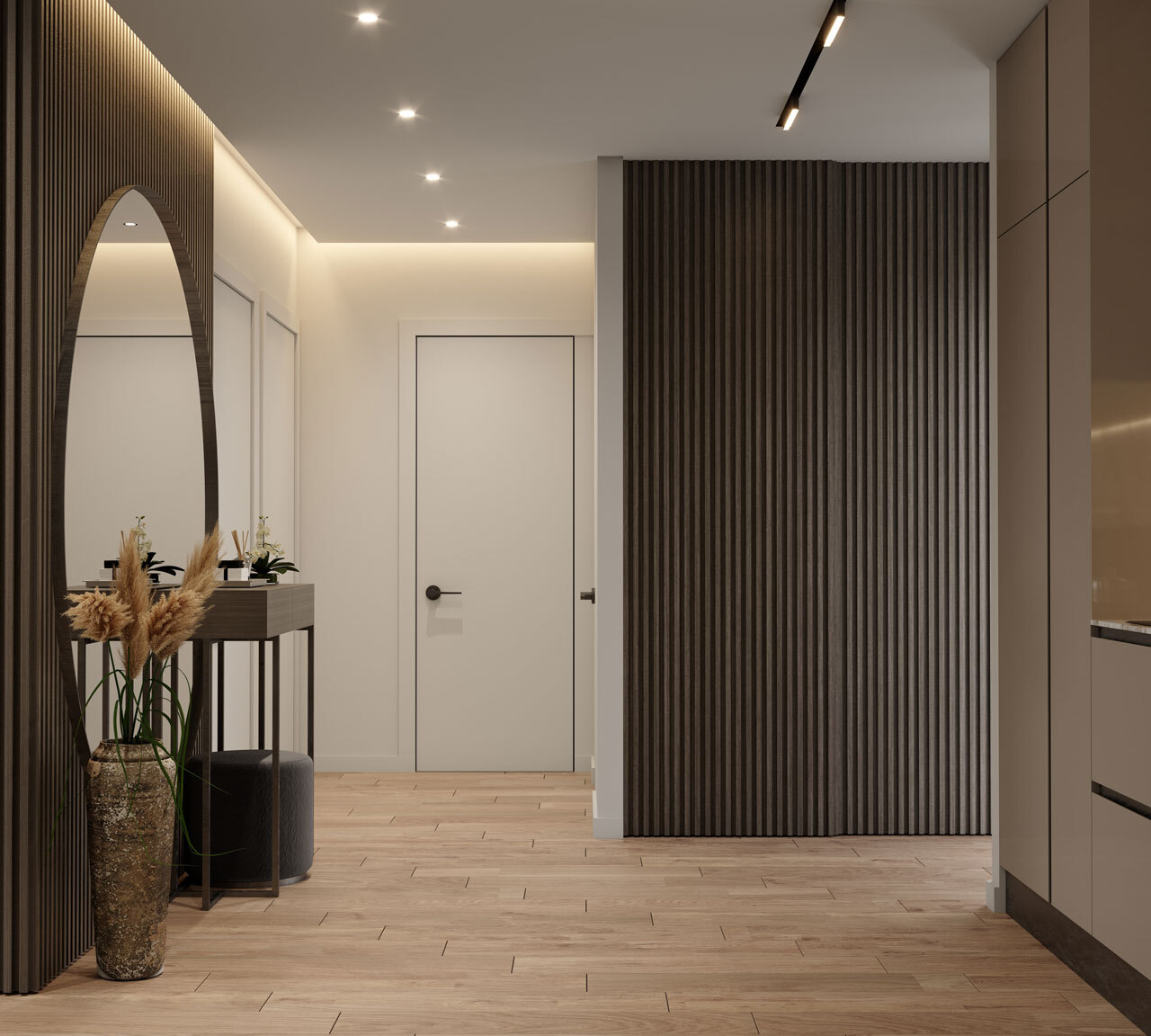
In 2026, minimalism has matured. Interiors no longer chase stark emptiness but cultivate serene surfaces where light is both functional and atmospheric. Ceilings are now treated with the same design care as walls and floors. Tight integration of lighting details has become essential in this approach, particularly when ceilings are plastered flush and uninterrupted.
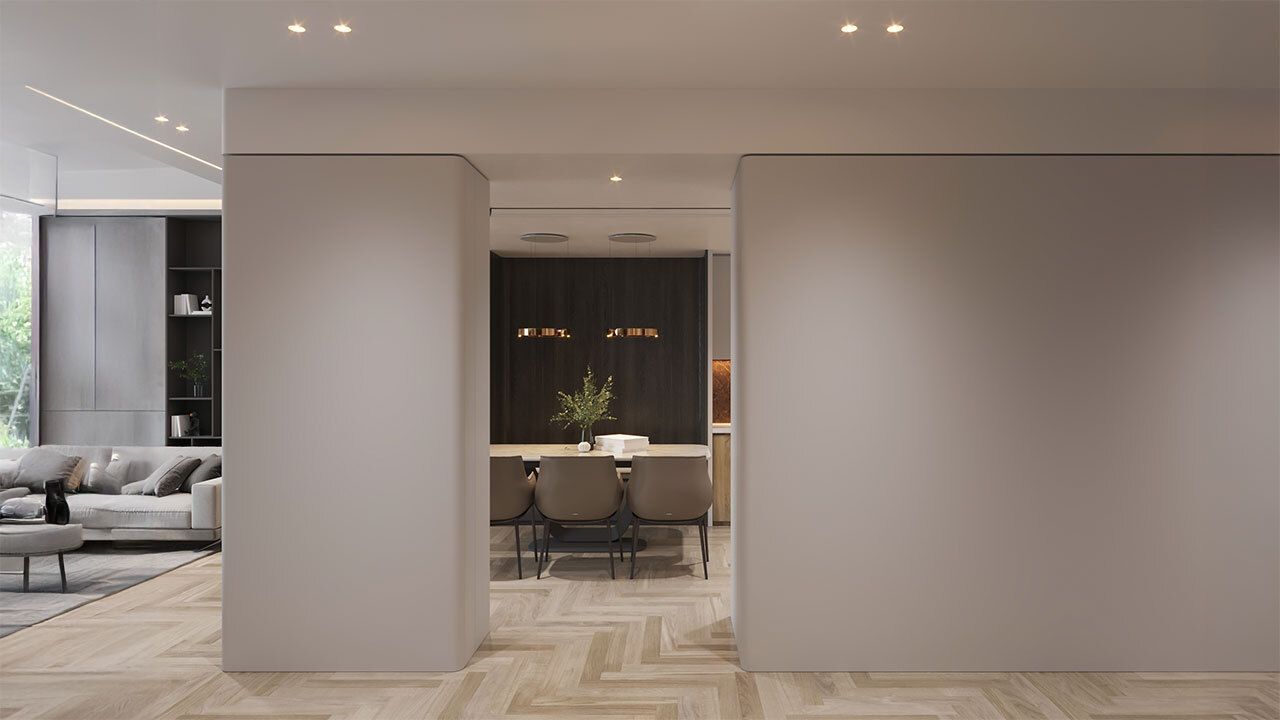
Mini downlights, often with apertures as small as 25–50 mm, allow designers to punctuate ceilings with tiny sources of light that disappear when switched off and barely register when switched on. Their elegance comes from the absence of visual noise, a detail that celebrates the surface rather than the fixture itself.
Trimless downlights take this one step further. Instead of visible bezels, the light appears to emerge seamlessly from the ceiling, bridging the boundary between architecture and lighting. This fosters uninterrupted planes that feel calm, refined, and completely intentional, a signature of modern sophistication.
From Technical Necessity to Design Intent
Six years ago, specifying downlights was often purely technical: lumens per square metre, spacing charts, glare control. While those elements are still essential, the framing has shifted dramatically. Today’s designers ask:
How does light shape the space? What mood does it evoke? How does it interact with materials and surfaces?
Downlights are no longer just sources of brightness; they are spatial tools. Carefully placed, they define movement through a room, draw attention to textures, or create gentle pools of light that feel natural and inviting. Architects use them to reinforce geometry, highlight volumes, and support a narrative that begins long before someone flips a switch.
Why Smaller Is Better
Mini downlights have become a default choice for designers seeking restraint without compromising performance. Their benefits include:
- Visual discretion: Tiny apertures mean the fixture recedes, letting the architecture take centre stage.
- Spatial harmony: Without bulky hardware, ceilings read as continuous surfaces, contributing to calm interiors.
- Flexible composition: Mini downlights allow for nuanced layouts that support zones and functions without drawing attention to themselves.
In open-plan spaces living rooms that flow into kitchens, bedrooms that meld with dressing areas, this refined approach to lighting keeps spaces feeling unified and seamless.
Trimless Integration: Where Light Meets Architecture
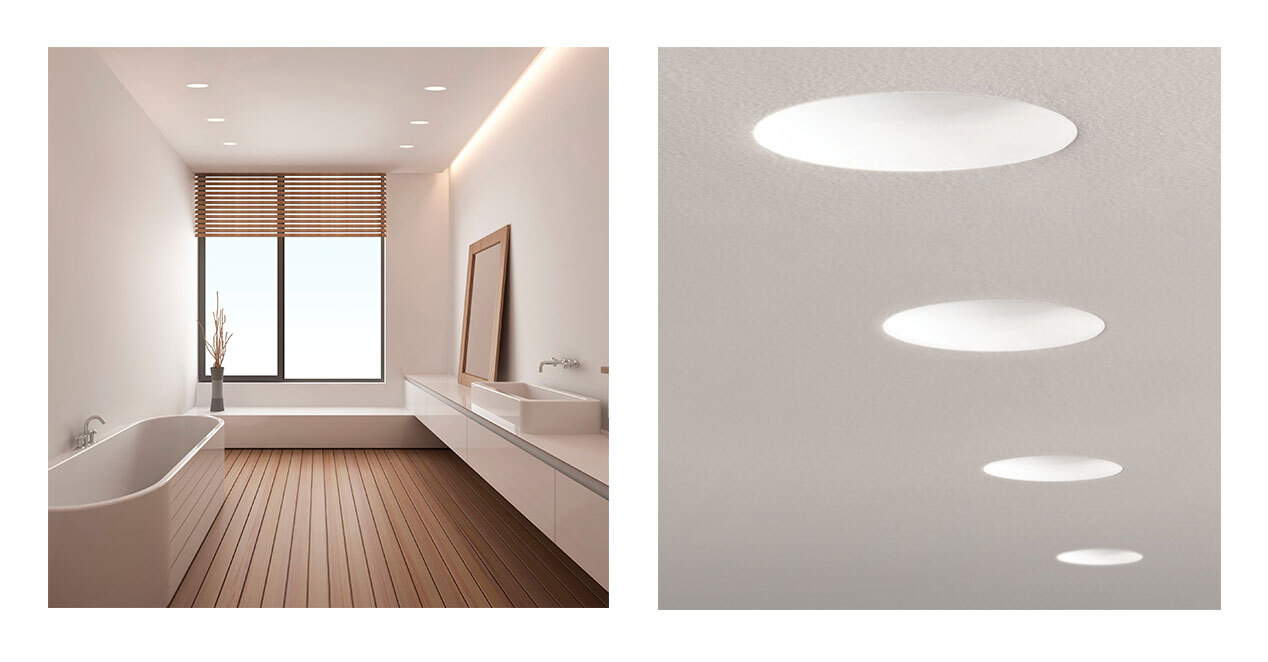
Trimless downlights represent a sophisticated evolution in recessed lighting. By eliminating visible trims, these fixtures integrate into plastered ceilings without interrupting the surface. The effect is subtle yet powerful — lighting becomes part of the architecture rather than an add-on.
This approach responds to a broader design desire: surfaces that feel crafted, not cluttered. As architects place greater emphasis on material continuity and quiet detailing, lighting must follow suit. With trimless downlights, the ceiling becomes a canvas for both light and peace.
Balancing Practicality With Poise
One of the reasons this trend is gaining traction, particularly among architects, is that it marries practicality with aesthetic refinement. Mini and trimless downlights can be specified with:
- Low-glare optics to improve visual comfort.
- Warm-dim technology for more pleasing evening ambience.
- Adjustable beam angles to tailor light to different spatial demands.
Designers increasingly prioritise comfort over glare, especially in residential and hospitality contexts where light must support wellbeing as much as utility. Deep-recessed optics and high-quality anti-glare baffles create a comfortable and soothing light environment, aligning with human-centric lighting principles.
Curating Light: Fewer Is More
Mini Downlight Fixed Dimmable LED Fire Rated 3K IP65
A striking shift in contemporary lighting design is the rejection of once-dominant “lit-like-a-showroom” grids in favour of curated lighting schemes. Placing too many downlights uniformly across a ceiling may maximise brightness, but it can also flatten the space, making it feel uninspired and overly technical.
Instead, designers emphasise strategic placement:
- Clusters that support gathering areas.
- Accent lights highlighting artwork or architectural features.
- Gentle pools of light that avoid stark shadows.
This thoughtful approach results in interiors that feel balanced, tranquil, and elegantly composed, where light enhances mood rather than dominates the visual field.
Materiality and Mood: The Interaction With Surfaces
Another reason mini and trimless downlights are trending is their ability to play well with materials. Soft plaster ceilings, textured paints, timber finishes, and even exposed concrete all interact differently with light than they do with bulky fixtures.
Quietly integrated downlights preserve the integrity of these materials. Light becomes a way to reveal texture and nuance, whether it’s the grain of a timber ceiling or the velvety softness of a painted surface. The result is a richer material palette that feels cohesive, calm, and considered.
Design-First, Specification-Smart
From an architect’s perspective, specifying lighting has always been as much about technical requirements as aesthetic judgement. What’s changing in 2026 is the design language around that specification. Mini and trimless downlights demonstrate how function can elevate beauty, and performance can support poetry.
They satisfy rigorous lighting standards while adding a layer of spatial nuance many previous downlight generations lacked. The result? Interiors that feel thoughtfully composed rather than conventionally lit.
Final Thought: Elevating Ceilings to Design Surfaces
In 2026, ceilings have moved from the periphery to the centre of design conversations. Just as natural materials, muted palettes, and tactile finishes define thoughtful interiors, lighting details do too. Mini and trimless downlights are emblematic of this shift — quiet in profile but powerful in effect.
Designers and architects are embracing them not just for their performance but for the way they reshape interior perception, celebrate materiality, and support emotional comfort. In a world where eve
Recent Posts
-

The Garden After Dark: How 2026 Is Redefining Outdoor Lighting with Garden Spike Lights
By 2026, the most impressive gardens aren’t the brightest ones; they’re the quietest. Instead of fl …9th Feb 2026 -
One Light, Every Mood: How CCT Colour-Changeable Flush Lights Are Replacing Multiple Fittings in 2026
In 2026, lighting is no longer a fixed decision you live with for years. Homes are more flexible, s …2nd Feb 2026 -
The Quiet Revolution in Ceilings: A New Way to Think About Downlighting
There’s a soft shift happening above us. Not in the architecture of walls or floors, but in the oft …21st Jan 2026